|
 |
| Natural Gas Safety During Snow and Ice Events |
|
| Heavy snow and ice storms can compromise natural gas facilities, both aboveground and underground. Learning to recognize and prevent storm-related gas infrastructure damage can help you protect your community from carbon monoxide (CO) poisoning and natural gas leaks, fires and explosions during major snow and ice events. |
|
| Be on the lookout for the problems below as you help your community during and after major winter storms. |
| Blocked Exhaust or Combustion Air Vents |
| Blockage of gas appliance exhaust and combustion vents by snow and ice can lead to CO poisoning. CO is formed when natural gas cannot burn completely because there isn’t enough air for proper combustion to occur. If you suspect CO poisoning, get the victims outside into the open air. Have them breathe deeply and seek medical help for them immediately. |
| Damage to Gas Service Meters and Other Equipment |
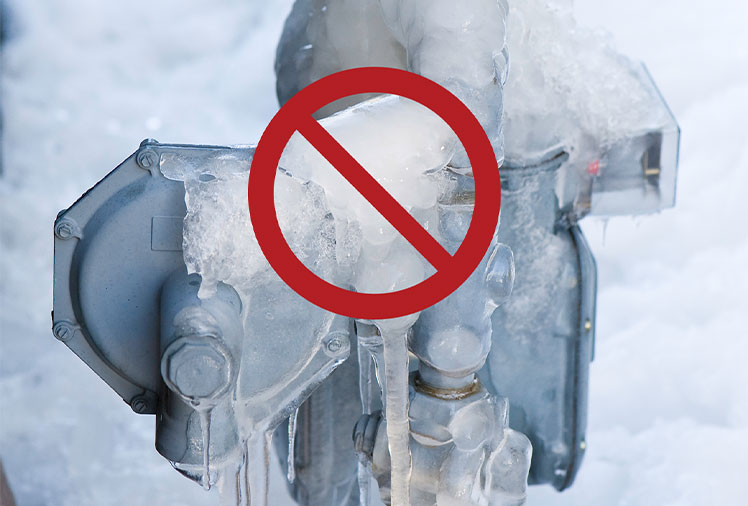
| Natural gas meters, piping and regulators can be damaged by accumulated ice and snow, dripping or standing water that freezes and refreezes, and snow and ice falling from roofs. Moisture that accumulates and freezes can prevent natural gas regulators, relief valves and other equipment from functioning properly, thereby, impeding or interrupting the flow of gas to appliances and furnaces. Gas meters and piping can also be damaged by snow-removal equipment. |
| Pipelines Damaged by Frost Heave |
| In sustained subfreezing conditions or during spring freeze and thaw cycles, ice can expand underground and affect susceptible soils, pushing them upward in an effect called frost heave. Frost heave causes roads to develop humps and dips and can damage underground natural gas distribution pipelines in the same fashion. Neighborhoods with older natural gas infrastructure, such as steel mains, are more likely to be affected. |
| Gas leaking from heave-damaged pipelines can be trapped by ice and snow and migrate some distance before entering buildings, utility vaults or sewer systems. When you are called to a gas leak, fire or explosion, use your natural gas monitor to check around nearby manholes for the presence of migrating leaking gas. Remember, do not open or enter manholes or vaults where natural gas is present until Colorado Springs Utilities personnel say it is safe to do so. |
| Would You Like to Know More? |
| Additional utility safety tips, case studies, instructional videos and educational tools can all be found, at no charge to you, on Colorado Springs Utilities’ e-SMARTresponder website. |
|
|
To report utility emergencies, call Colorado Springs Utilities at 719-448-4800 immediately.
This number will prompt the caller to “press 1 to report an emergency” and is then routed through our dispatch. |
|
|
|
| © 2025 Culver Company, LLC |
|
|
|